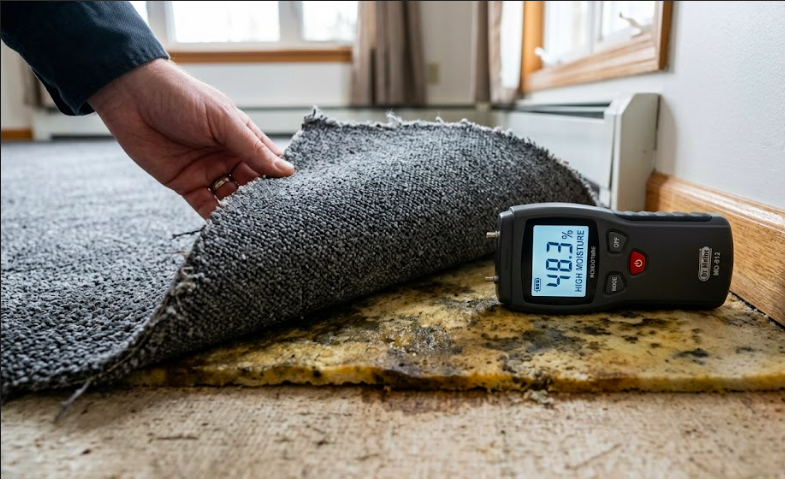
If a spill, leak, or flood recently hit your home, there’s a good chance you checked the carpet itself but forgot about what’s underneath it. Carpet padding is a sponge by design. It’s made to feel soft underfoot, which unfortunately also means it’s made to absorb and hold water far longer than the carpet fibers above it.
The problem? You can vacuum, blot, and even professionally clean the surface of your carpet and still have a soaked, deteriorating, mold-friendly layer sitting just beneath it. That hidden moisture doesn’t go away on its own and it’s one of the most common reasons a “cleaned” carpet ends up smelling musty again a few weeks later.
In this guide, we’ll walk through exactly how to tell if your carpet padding needs replacing after water exposure, what happens if you leave it in place too long, and when the situation has moved beyond a cleaning job and into restoration territory.
Why Carpet Padding Is the First Thing to Fail After Water Exposure
Carpet padding is typically made from foam, rubber, or fiber material all of which are engineered to be absorbent and cushioned. That same quality that makes your floors comfortable is exactly what makes padding a magnet for standing water.
Unlike hardwood, tile, or even carpet fiber itself, padding:
- Has almost no natural drainage or airflow once compressed under carpet
- Holds moisture against the subfloor, which can lead to secondary damage
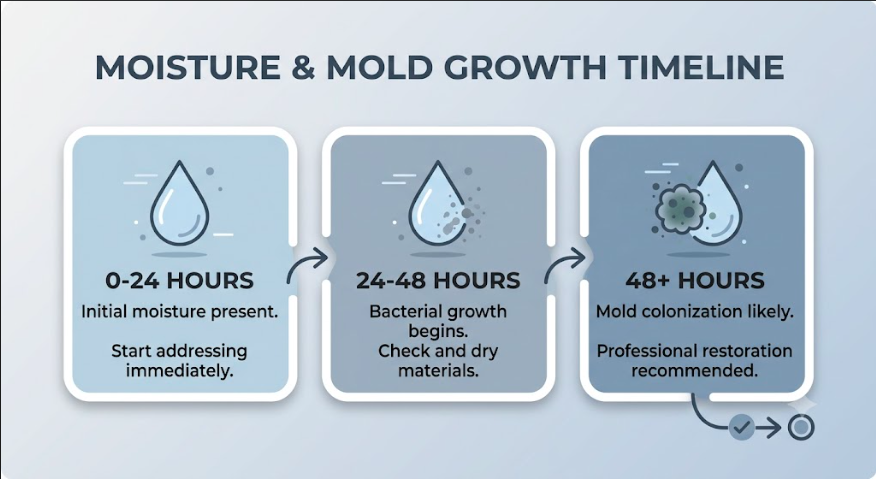
- Provides an ideal breeding ground for mold and mildew within 24–48 hours of sustained moisture
- Rarely dries fully with surface cleaning or a few fans and a dehumidifier alone
This is why professional carpet cleaners and restoration technicians almost always check padding condition separately from the visible carpet the two don’t dry (or fail) at the same rate.
5 Warning Signs Your Carpet Padding Needs Replacing
1. A Persistent Musty or Sour Smell
If your carpet has been cleaned and dried on the surface but a musty, damp-basement smell keeps coming back especially when you press down on the carpet or the room is humid that odor is very often trapped moisture and early mold growth in the padding, not the carpet fibers themselves.
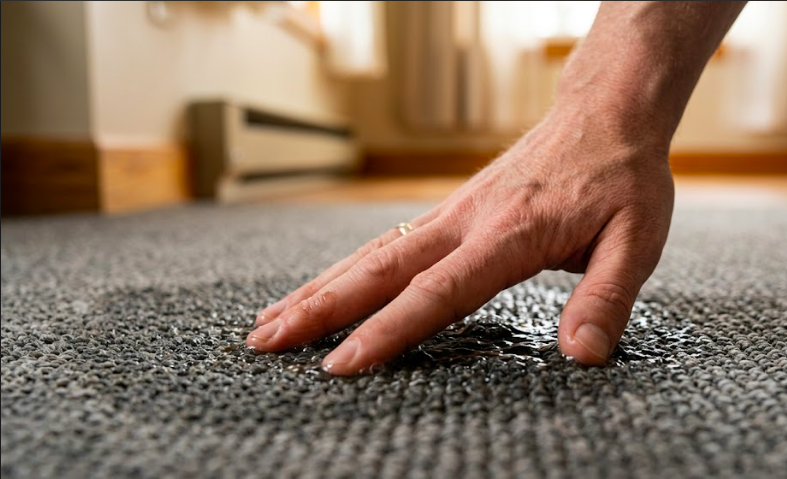
2. A Spongy, Squishy, or “Sinking” Feel Underfoot
Walk across the affected area. Healthy padding should feel firm and springy. If it feels soft, spongy, or like you’re sinking slightly with each step, the padding has likely absorbed water and started to break down structurally. Foam and fiber padding lose their supportive density once saturated, and they typically don’t regain it even after drying.
3. Visible Discoloration on the Carpet Backing
Peel back a corner of the carpet (or ask your cleaning technician to do this) and inspect the underside and the padding itself. Yellow, brown, or dark staining on the carpet backing or padding is a strong indicator of water damage that’s already progressed past the “just damp” stage.
4. Mold or Mildew Spots
Any visible black, green, or gray spotting on the padding is a clear sign it needs to be removed and replaced not cleaned. According to the U.S. Environmental Protection Agency, porous materials like carpet padding that have been wet for more than 48 hours should usually be discarded, since mold can grow within this window and often cannot be fully removed from absorbent materials.
5. Increased Allergy or Respiratory Symptoms Indoors
If household members are experiencing more sneezing, coughing, itchy eyes, or unexplained respiratory irritation specifically when spending time in the affected room, it’s worth having the padding inspected. Damp, deteriorating padding is a common and frequently overlooked source of indoor mold spore exposure.
How Long Can Padding Sit Wet Before It’s a Problem?
Timing matters more than most homeowners realize. The IICRC (Institute of Inspection, Cleaning and Restoration Certification), which sets the industry standard for water damage restoration (IICRC S500), classifies materials by how quickly they must be dried to prevent secondary damage and carpet padding sits in one of the highest-risk categories because of how difficult it is to dry once saturated.
As a general rule:
- 0–24 hours: Padding may still be salvageable with immediate, professional-grade extraction and drying equipment.
- 24–48 hours: Risk of mold growth rises sharply; padding often needs replacement even if the carpet itself is saved.
- 48+ hours: Padding replacement is almost always necessary, and there’s a meaningfully higher chance the moisture has reached the subfloor.
This is also why DIY drying a few box fans and an open window frequently isn’t enough. Padding sits under a layer of carpet, which restricts airflow exactly where it’s needed most.
Carpet Cleaning vs. Full Water Damage Restoration: How to Know Which You Need
This is the question we get asked most often, and it’s a fair one the two services overlap, but they’re not the same thing.
A professional carpet cleaning (like ours) is the right call when:
- The water exposure was minor and addressed quickly (within a few hours)
- There’s no lingering odor, discoloration, or sponginess after drying
- The affected area is small and isolated
- The water source was clean (not sewage or floodwater)
It’s time to call a full water damage restoration company when:
- Water sat for more than 24–48 hours before it was addressed
- You notice any of the 5 warning signs above
- The water came from a flood, storm, sewage backup, or burst pipe
- There’s a possibility moisture has reached the subfloor or walls
- More than one room or a large area was affected
If you’re in the McAllen area and you’re seeing any of these signs, it’s worth getting a professional moisture assessment before the damage spreads further. The team at McAllen TX Water Damage handles exactly this kind of situation from moisture detection through full structural drying and can tell you definitively whether your padding (and subfloor) needs replacing or whether cleaning alone will do the job. You can reach their water damage restoration McAllen team here for an inspection.
What Happens If You Leave Damaged Padding in Place?
Skipping padding replacement when it’s genuinely needed doesn’t just risk odor and mold it can lead to more expensive problems down the line, including:
- Subfloor damage: Prolonged moisture can warp, stain, or rot wood subflooring, turning a padding replacement into a much larger flooring project.
- Mold spreading beyond the padding: Mold spores don’t stay contained to one material they can spread to baseboards, drywall, and HVAC systems. The CDC notes that mold exposure can trigger allergic reactions, asthma flare-ups, and other respiratory symptoms in sensitive individuals, which is part of why addressing it early matters for household health, not just the carpet.
- Reduced carpet lifespan: Carpet resting on deteriorating, uneven padding wears out faster and loses its cushioning and appearance more quickly.
Our Recommendation
If you’re unsure whether you’re dealing with a simple cleaning job or something more serious, don’t guess. A quick inspection checking for odor, texture, staining, and moisture readings will tell you definitively which category your situation falls into. When in doubt, it’s almost always cheaper to address padding issues early than to deal with mold remediation or subfloor repair later.
Final Thoughts
Carpet padding takes the brunt of any water exposure your home experiences, and it rarely gives you an obvious, immediate signal that it’s failing. Musty odors, a spongy feel, visible staining, and mold spots are your earliest and most reliable warning signs and all five are worth checking any time your carpet has been exposed to water, even if the surface looks fine.
If your padding has been wet for more than a day or two, or if you’re seeing any of the signs above, it’s worth getting a professional opinion before deciding between cleaning and replacement.
Need your carpets professionally inspected or cleaned after water exposure? Contact Dowling Carpet Cleaning today for a full moisture assessment and honest recommendation on whether cleaning or padding replacement is the right next step for your home.
Leave a Reply